
Anúncios
Demand for caregivers has grown significantly in recent years. So completing a free elderly caregiver course can be the gateway for anyone who wants to enter this field. This course offers comprehensive training for those who want to develop the skills needed to care for the elderly, ensuring their well-being and quality of life.
If you’re interested in working as a caregiver or simply want to learn more about this topic, this free course is an excellent opportunity. In this article, we’ll explore the benefits, the activities a caregiver performs, and how this course can help transform your career. Take advantage and start today!
What do you learn in the elderly caregiver course?
In the elderly caregiver course, students will learn about several essential areas of elderly care. This includes basic health concepts, such as monitoring vital signs and administering medications according to medical guidance. These skills are essential to ensuring the safety and well-being of the elderly in your care.
In addition, the course provides information on proper nutrition and diet for the elderly, taking into account special diets and the importance of a balanced diet. Knowing how to prepare and adapt an elderly person’s meals is a crucial part of a caregiver’s work.
Another important aspect is learning about hygiene and comfort, which involves bathing, changing diapers, and dressing. The course also teaches techniques for moving and transporting the elderly, ensuring that all actions are done safely, both for the caregiver and for the person being assisted.
What does an elderly caregiver do?
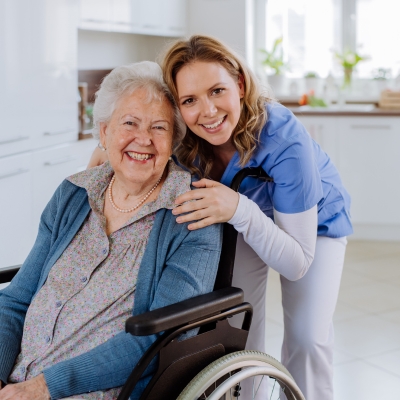
Elderly caregivers play a fundamental role in the lives of those who need daily support and attention, especially during their senior years. Their work goes far beyond simple everyday tasks; it involves creating a safe, welcoming environment adapted to each elderly person’s needs.
With a combination of technical skills and empathy, the caregiver becomes an essential figure in the daily lives of the elderly, ensuring they receive not only physical care but also emotional support, promoting their well-being and quality of life in every respect. So the main activities of an elderly caregiver are:
- Monitoring vital signs, such as blood pressure and temperature.
- Administering medications as prescribed by a doctor.
- Helping with meals, ensuring the diet is appropriate.
- Assisting with personal hygiene, such as bathing, brushing teeth, and changing clothes.
- Accompanying the elderly person to medical appointments and exams.
- Carrying out leisure activities that promote mental health.
- Assisting with mobility inside the home or on outings.
- Organizing and managing the elderly person’s living environment.
- Providing emotional and social support by listening and talking with the elderly person.
- Preventing accidents, such as falls and other types of injuries.
- Managing the elderly person’s schedules and daily routines.
- Promoting the elderly person’s integration with family and friends.
- Encouraging light physical activity.
- Keeping daily reports on the elderly person’s condition for family members and doctors.
- Ensuring the elderly person’s safety at all times.
What is the pay for the profession?
Pay for those working as elderly caregivers can vary depending on the region and the professional’s experience. In Brazil, the average salary for a caregiver is around R$ 1,500 to R$ 2,500 per month. However, this amount can be higher for caregivers with specializations or in locations where there is high demand for this service.
In addition to the fixed salary, some caregivers receive additional pay for specific services or different work schedules, such as night shifts or accompanying clients on trips. Schedule flexibility can also influence salary negotiations, making the profession quite attractive for those seeking stability and good job opportunities.
Benefits of taking the free elderly caregiver course
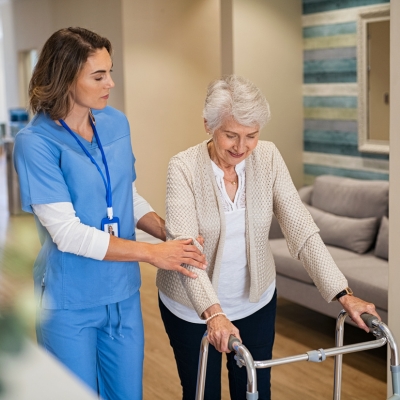
- Specialized, hands-on training: The free elderly caregiver course offers practical training that prepares students to handle the daily needs of older adults, making them able to work competently and safely.
- Opportunity to enter a profession with high demand: The aging population has increased the demand for elderly caregivers, creating constant and stable job opportunities in the market.
- Improved quality of care offered to older adults: Upon completing the course, caregivers develop techniques and knowledge that provide more qualified, respectful care suited to the needs of older adults.
- Free access to essential content for the job: Students have free access to high-quality teaching materials and content that will help them acquire all the skills needed for the job.
- Possibility of working as a self-employed professional or in healthcare institutions: Graduates can choose to work independently, offering in-home services, or be hired by clinics, nursing homes, and hospitals.
- Development of personal and professional skills: The course not only improves the student’s technical skills but also develops interpersonal skills such as empathy, patience, and effective communication.
- Flexibility to work in different areas of elderly care: With the knowledge gained, caregivers can work in various areas, such as palliative care, home care, or long-term care facilities.
How to choose the best course?
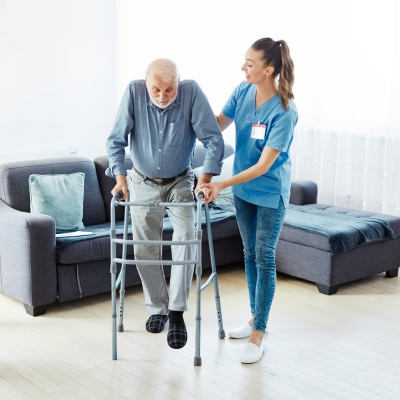
When choosing the best elderly caregiver course, it is important to look at some aspects that ensure the quality of the training. The first factor to consider is the curriculum. Check whether the course covers all the areas needed for elderly care, such as health, hygiene, and nutrition. A complete course should offer a broad and practical view of the needs of older adults.
Another important point is certification. Make sure the course offers a recognized certificate, which can be a differentiator when looking for a job. In addition, a certificate can validate your skills and open doors to better opportunities in the job market.
Finally, evaluate the flexibility of the course. Many free courses are offered online, which allows you to study at your own pace and fit it around other activities. Choosing a course that adapts to your routine is essential to ensure you can complete the training successfully.
Frequently asked questions about the free elderly caregiver course
1. Is the course really free?
Yes, the course is offered completely free of charge, with no additional costs for registration, access to teaching materials, or issuance of the completion certificate. This ensures accessibility for everyone interested.
2. Do I need prior experience in the field to take the course?
No, the course is designed for both beginners and people with some experience, providing accessible learning for all knowledge levels and making it easier to enter the job market.
3. How long is the course?
The duration varies depending on the institution offering the course, but in general, programs have a workload ranging from 60 to 120 hours, depending on the complexity of the modules.
4. Does the course offer a certificate?
Yes, at the end of the course, the student has the opportunity to obtain a completion certificate, provided they meet the minimum participation requirements, including class attendance and performance on the proposed assessments.
5. Can I work in any region after completing the course?
Yes, the course is recognized in various regions of the country, enabling the caregiver to work both in homes and in healthcare institutions, according to the demands and needs of the local market.
Discover the advantages of getting a course with a completion certificate
Earning a certified elderly caregiver course offers many advantages. With a certificate in hand, you’ll have better chances of being hired by renowned institutions, since the market values professionals with specific training. In addition, the certificate proves that you have completed quality training and are qualified to carry out care activities with excellence.
Read more: Anhanguera Open Courses
Another advantage is the possibility of increasing your pay. Certified professionals have more credibility and can negotiate more attractive salaries, in addition to having access to opportunities in more specialized areas, such as caring for elderly people with chronic illnesses or special needs.
